

Introduction & Background
In a world where sleek, minimalist design often dominates modern home interiors, many homeowners are turning back to their roots for inspiration. Heritage design is not just about preserving the past, but about blending tradition with contemporary living to create spaces that feel both timeless and personal. This approach honors cultural narratives, familial history, and regional craftsmanship while adapting to the needs of today’s fast-paced lifestyles. As globalization erodes local identities, infusing heritage into modern home design becomes a powerful way to reconnect with culture, identity, and a sense of belonging. It transforms a house into a home, one that tells a story, carries meaning, and resonates with authenticity.
Concept & Overview
Infusing heritage into modern home design involves integrating traditional elements, materials, and aesthetics from a specific culture or family lineage into a contemporary setting. The goal is not to recreate historical spaces verbatim, but to reinterpret cultural symbols, craftsmanship, and design motifs in ways that feel relevant and functional today. This fusion celebrates diversity and prevents the loss of cultural identity in the face of standardized modern architecture. It requires a deep understanding of one’s background, thoughtful curation, and a balanced approach to ensure the design feels cohesive rather than cluttered. Heritage elements can manifest through furniture, textiles, color palettes, architectural details, and even the layout of a space.
Key Features & Highlights
- Traditional Craftsmanship: Incorporating handmade items such as handwoven rugs, carved wooden furniture, or hand-painted tiles that showcase artisanal skills passed down through generations.
- Cultural Color Palettes: Using colors drawn from a specific cultural heritage, such as earthy tones from a rural landscape or vibrant hues from a traditional festival, to evoke emotional resonance.
- Architectural Accents: Integrating design features like arched doorways, wooden latticework, or stone flooring that reflect regional architectural styles.
- Storytelling Through Objects: Displaying heirlooms, antique tools, or family photographs that carry personal or cultural significance and add layers of meaning to the space.
- Sustainable Materials: Choosing natural and locally sourced materials like reclaimed wood, clay, or linen, which not only honor tradition but also align with eco-friendly design principles.
- Blending Old and New: Combining vintage pieces with modern furniture to create a dynamic contrast that highlights the beauty of both eras without overwhelming the space.
Frequently Asked Questions / Pros & Cons
What exactly defines heritage-inspired design?
Heritage-inspired design refers to the intentional incorporation of traditional elements, symbols, or craftsmanship from a specific cultural or familial background into a modern living space. It emphasizes authenticity, storytelling, and a connection to the past while ensuring the design remains functional and aesthetically pleasing in a contemporary context.
Is heritage design only for people with strong cultural ties?
Not at all. While heritage design often draws from one’s cultural roots, it can also be inspired by styles from any era or region that resonate personally. Someone without a specific cultural background might choose to draw from Scandinavian minimalism, Mediterranean warmth, or even mid-century modern as part of their heritage. The key is personal connection and meaning, not ancestry alone.
Can heritage design feel outdated or overwhelming?
It can, if not approached thoughtfully. Using too many traditional elements without balance may result in a space that feels cluttered or nostalgic rather than timeless. The solution lies in selective integration, pairing heritage pieces with clean lines, modern lighting, and neutral backdrops to create harmony between old and new.
Does heritage design increase the cost of a home renovation?
It can, especially when sourcing authentic vintage pieces, handcrafted furniture, or rare materials. However, it doesn’t have to be expensive. Many heritage elements can be incorporated through DIY projects, upcycling, or using affordable reproductions. The value lies more in the emotional and aesthetic return than in monetary cost.
Is heritage design sustainable?
Yes, especially when it emphasizes natural, durable, and locally sourced materials. Many traditional building techniques were inherently sustainable, relying on local resources and low-energy processes. By reviving these methods, heritage design often aligns with eco-friendly and sustainable design principles.
Practical Guidance & Solutions
If you’re ready to bring heritage into your modern home, start small and intentional. Begin by identifying the cultural or familial elements that resonate most deeply with you. This could be a color, a pattern, a craft, or even a seasonal tradition. Once you have a theme in mind, incorporate it gradually through accent pieces rather than full-scale changes.
Start with textiles: Swap out plain throw pillows for handwoven blankets or embroidered cushions. These are easy to integrate and instantly add texture and story to a room.
Focus on statement pieces: Introduce one or two significant items, such as a vintage rug, a carved wooden chest, or a family quilt. These pieces act as conversation starters and anchors for your design narrative.
Use color as a bridge: Paint an accent wall in a hue drawn from your heritage or choose textiles in a traditional palette. Colors carry emotional weight and can subtly connect a modern space to its roots.
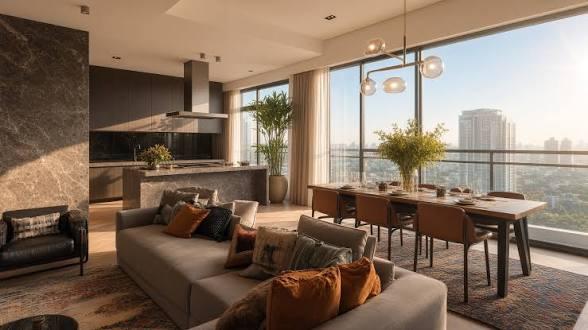
Blend old and new intentionally: Pair a contemporary sofa with antique side tables, or place a modern dining table on a handmade Persian rug. The contrast creates visual interest and ensures the space feels both current and meaningful.
For those unsure where to begin, consider visiting local artisan markets or cultural festivals to source authentic pieces. Many communities also offer workshops in traditional crafts like pottery or weaving, which can inspire DIY projects. Above all, let your design reflect your personal journey, your heritage is not a museum piece, but a living, evolving story.
Conclusion
Reviving roots through heritage-infused modern design is more than a trend; it’s a celebration of identity, memory, and craftsmanship in an increasingly uniform world. By thoughtfully blending the old with the new, we create spaces that are not only beautiful but deeply meaningful. Whether through a single heirloom or a fully curated cultural theme, these designs remind us that our past is not something to be left behind, but a foundation upon which to build a richer, more authentic present. In every handwoven fabric, carved wooden detail, or carefully chosen color, we carry forward the wisdom of generations, and in doing so, we make our homes true reflections of who we are.


More Stories
Cozy Corners: Transforming Your House into a Dream Sanctuary
Revitalize Your Space: Creative Home Design Ideas to Transform Your Everyday
Cozy Corners: Unlocking the Art of Effortless Home Living