

Introduction & Background
Our homes are more than just walls and furniture. They reflect our personalities, shape our moods, and influence our daily lives. In a world where routines often feel monotonous, transforming your living space can reignite creativity and bring fresh energy into your everyday. Whether you live in a cozy apartment or a spacious house, small design choices can make a big difference in how you feel at home. Revitalizing your space doesn’t require a complete overhaul or a large budget. Instead, it’s about making intentional decisions that enhance comfort, functionality, and beauty. This guide explores creative home design ideas to help you transform your environment into a sanctuary that inspires and rejuvenates.
Concept & Overview
Home design is both an art and a science. It blends aesthetics with practicality to create spaces that are not only visually appealing but also livable. The core principle behind revitalizing your space is intentionality. Every element, from color schemes to furniture placement, should serve a purpose and contribute to the overall atmosphere you wish to cultivate. Whether your goal is to create a calming retreat, an energizing workspace, or a lively gathering area, the key is to align your design choices with your lifestyle and personal taste. Trends come and go, but timeless design principles like balance, harmony, and functionality remain essential. By understanding these concepts, you can curate a home that feels uniquely yours while standing the test of time.
Key Features & Highlights
- Color Psychology: Colors have a profound impact on mood and perception. Warm tones like soft yellows and earthy oranges can create a welcoming atmosphere, while cool blues and greens promote relaxation. Consider the function of each room when choosing a palette. For example, a bedroom might benefit from soothing shades, while a home office could use energizing colors to boost productivity.
- Multi-Functional Furniture: In smaller spaces, furniture that serves multiple purposes is invaluable. Think of a sofa bed for guest rooms, ottomans with storage, or foldable desks for home offices. These pieces maximize utility without sacrificing style, making them ideal for urban dwellers or those with limited square footage.
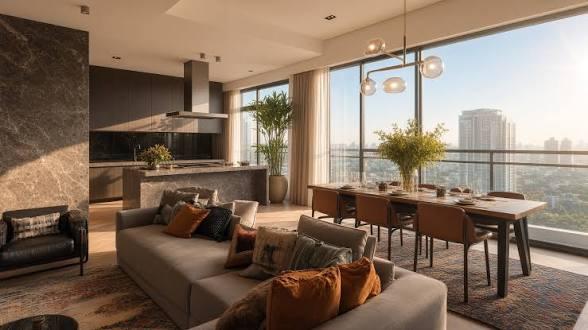
- Natural Elements: Incorporating natural materials like wood, stone, or linen can ground a space and create a sense of tranquility. Indoor plants not only purify the air but also add life and texture to interiors. Large windows that allow ample natural light can further enhance the connection to nature, making rooms feel more open and airy.
- Lighting Layers: A well-lit room requires more than just a single overhead light. Layered lighting includes ambient lighting for overall illumination, task lighting for specific activities like reading or cooking, and accent lighting to highlight artwork or architectural features. Dimmable lights and smart bulbs offer flexibility to adjust the mood according to the time of day or occasion.
- Personal Touches: Your home should tell your story. Displaying family photos, travel souvenirs, or handmade crafts adds character and warmth. Gallery walls, curated bookshelves, and unique decor pieces create a narrative that makes your space feel personal and inviting.
Frequently Asked Questions / Pros & Cons
What are the most cost-effective ways to refresh a home without renovating?
Refreshing your home on a budget is entirely possible with some creativity. Start by decluttering and organizing, as a tidy space instantly feels more inviting. Swapping out hardware like drawer pulls or cabinet knobs can modernize a room without a major investment. Rearranging furniture to improve flow or focal points also makes a significant difference. Thrift stores, flea markets, and online marketplaces are great sources for affordable decor. DIY projects, such as painting an old piece of furniture or creating gallery walls from thrifted frames, add personal flair without breaking the bank.
How can I make a small space feel larger?
Small spaces benefit from strategies that create the illusion of more room. Using light colors on walls and floors reflects light and makes the area feel more open. Mirrors strategically placed opposite windows amplify natural light and add depth. Opt for furniture with exposed legs or glass tabletops to maintain visual openness. Vertical storage solutions, like tall shelves or wall-mounted cabinets, draw the eye upward and free up floor space. Keeping the space uncluttered and using multi-functional furniture also prevents the area from feeling cramped.
Is it better to follow trends or stick to classic designs?
Both approaches have their advantages, and the best choice depends on your personal preferences and long-term goals. Trends can infuse a space with fresh energy and excitement, making it feel current and vibrant. However, classic designs offer timeless appeal that won’t look outdated in a few years. A balanced approach is often ideal. Use trends for easily replaceable elements like textiles, accent pieces, or paint colors, while investing in durable, classic furniture and fixtures. This way, you enjoy the best of both worlds without the hassle of frequent updates.
How do I choose a color scheme that suits my personality?
Start by identifying colors that resonate with you emotionally. If you feel calm in nature, consider earthy greens or soft blues. If you thrive in vibrant environments, bold reds or yellows might be ideal. You can also draw inspiration from your wardrobe, artwork, or even your favorite vacation spots. Once you have a base hue, use the color wheel to select complementary or analogous shades for a cohesive look. Test paint samples on your walls to see how they change with natural light throughout the day before committing to a full room.
What are the pros and cons of open-concept living?
Pros: Open-concept layouts create a sense of spaciousness and encourage social interaction, making them ideal for hosting gatherings. They allow natural light to flow freely throughout the space, reducing the need for artificial lighting. This design also makes it easier to supervise children or pets across multiple areas.
Cons: The lack of walls can lead to noise buildup, especially in homes with hard floors or high ceilings. Privacy may also be compromised, as there are fewer barriers between living, dining, and kitchen areas. Additionally, open-concept spaces require careful planning to define zones and maintain a cohesive aesthetic.
Practical Guidance & Solutions
Now that you have a clearer understanding of design principles and common questions, it’s time to put your plan into action. Start by assessing each room’s purpose and your lifestyle needs. What activities take place in the space? How can the layout better serve those functions? Next, declutter and edit your belongings to keep only what you love or use regularly. This step is crucial for creating a clean, organized foundation.
When selecting furniture, prioritize comfort and scale. A large sectional may overwhelm a small living room, while tiny chairs might make a dining area feel cramped. Measure your space and create a floor plan to visualize arrangements before purchasing. For walls, consider an accent wall in a bold color or textured wallpaper to add depth without overwhelming the room. In the kitchen, open shelving can display dishware and create an airy feel, while in the bedroom, a statement headboard can serve as a focal point.
Don’t overlook the power of accessories. Fresh towels, a stylish rug, or a vase of flowers can elevate a space instantly. Rotate decor seasonally to keep the environment feeling dynamic. If you’re unsure where to begin, start with one room or even one wall as a trial run. Small changes can yield big results and build your confidence to tackle larger projects.
Conclusion
Revitalizing your home is about more than just aesthetics. It’s an opportunity to reconnect with your space and infuse it with renewed energy and purpose. Whether you embrace bold colors, incorporate natural elements, or simply declutter and reorganize, the key is to make choices that align with your lifestyle and bring you joy. Remember, the most beautiful homes are those that feel authentic and lived-in. So take it one step at a time, experiment with ideas, and most importantly, create a space that feels like a true reflection of you. Your home should be a place of comfort, inspiration, and peace. Start today, and watch as your everyday transforms into something extraordinary.


More Stories
Cozy Corners: Transforming Your House into a Dream Sanctuary
Cozy Corners: Unlocking the Art of Effortless Home Living
Cozy Corners: Designing a Home That Nurtures Soul and Style