

Introduction & Background
In a world where our living spaces serve as sanctuaries for rest, creativity, and connection, the desire to transform a house into a home that reflects our personality and meets our needs has never been stronger. Home renovation has evolved from a mere necessity into an exciting opportunity to express individuality while improving functionality. Whether you are moving into a new space or looking to refresh your current one, creative renovation ideas can make a profound difference in how you experience your environment. Modern trends emphasize sustainability, smart technology integration, and personalized aesthetics, ensuring that every renovation project is as unique as the homeowner. By reimagining your space with intention, you can create a home that not only looks stunning but also feels truly yours.
Concept & Overview
Home renovation is the process of improving, restoring, or upgrading a residential space to enhance its functionality, comfort, or visual appeal. At its core, renovation is about making thoughtful changes that align with your lifestyle while maximizing the potential of your space. Unlike moving to a new home, renovation allows you to keep the familiar while introducing fresh elements that breathe new life into your surroundings. The concept extends beyond just aesthetics; it includes structural improvements, energy efficiency upgrades, and smart home integrations. A successful renovation balances creativity with practicality, ensuring that the end result is both beautiful and livable. Whether you are focusing on a single room or an entire home, the goal remains the same: to create a space that inspires and supports the way you live.
Key Features & Highlights
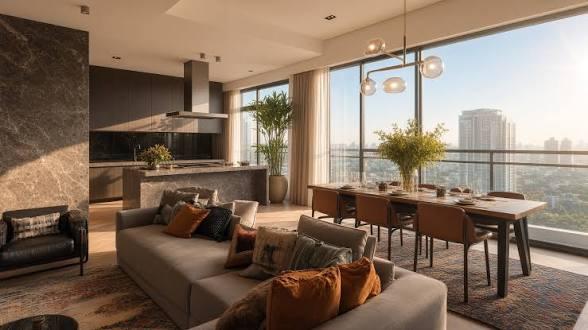
- Open floor plans: Removing walls to create open, airy spaces that improve flow and social interaction.
- Smart home technology: Integrating devices like automated lighting, thermostats, and security systems for convenience and efficiency.
- Sustainable materials: Using eco-friendly products such as reclaimed wood, bamboo flooring, or recycled glass countertops to reduce environmental impact.
- Multi-functional spaces: Designing areas that serve multiple purposes, such as a home office that doubles as a guest room or a kitchen island that works as a dining table.
- Statement lighting: Incorporating bold light fixtures to set the mood and serve as focal points in any room.
- Custom storage solutions: Maximizing space with built-in shelves, under-stair storage, or hidden compartments to keep clutter at bay.
- Bold color palettes: Using vibrant hues or earthy tones to inject personality and energy into your home.
- Outdoor living areas: Extending your living space outdoors with patios, decks, or garden rooms that connect seamlessly with the interior.
Frequently Asked Questions / Pros & Cons
What are the first steps to take when planning a home renovation?
Start by defining your goals and priorities for the renovation. Consider what you want to achieve, whether it is more space, better functionality, or a modern update. Next, set a realistic budget and timeline. Research inspiration from magazines, online platforms, and showrooms to gather ideas. Finally, consult with professionals such as architects, designers, or contractors to assess feasibility and get expert advice.
How can I renovate on a tight budget without sacrificing quality?
Focus on high-impact, low-cost changes such as repainting walls, updating fixtures, or refinishing existing cabinets. Prioritize projects that offer the best return on investment, like kitchen backsplashes or bathroom upgrades. Consider DIY options for tasks you are comfortable handling, and shop for materials during sales or at discount stores. Upcycling furniture or using reclaimed materials can also add character without breaking the bank.
What are the pros and cons of open floor plans?
Pros: Open floor plans create a sense of spaciousness, improve natural light flow, and encourage social interaction between different areas of the home. They also make spaces more adaptable to different activities and gatherings. Cons: They can lack privacy, make noise control difficult, and may require more heating or cooling due to the larger space. Additionally, they may not work well in homes where separate rooms are needed for specific functions.
Is it worth investing in smart home technology during a renovation?
Yes, smart home technology can greatly enhance convenience, security, and energy efficiency. Devices like smart thermostats and lighting systems allow for remote control and automation, which can lead to cost savings on utility bills. However, it is important to consider the initial cost of installation and ensure compatibility with future upgrades. If you plan to sell your home, smart features can also be a strong selling point for potential buyers.
What are some common mistakes to avoid during a renovation?
Avoid underestimating the budget or timeline, as unexpected costs and delays often arise. Skipping proper planning or permits can lead to legal issues or poor workmanship. Not considering functionality in the design may result in impractical spaces that do not meet your needs. It is also important not to overlook storage solutions or lighting, as these elements significantly impact daily living. Lastly, avoid choosing trends over timeless designs, as they may quickly become outdated.
Practical Guidance & Solutions
Embarking on a home renovation journey can be both exciting and overwhelming, but with the right approach, it can also be a rewarding experience. Begin by conducting a thorough assessment of your space to identify areas that require attention. Create a detailed plan that includes your vision, budget, and timeline, and share it with professionals to get their input. When selecting materials and finishes, prioritize durability and quality to ensure your renovation stands the test of time.
Consider dividing your renovation into phases if the project is large or your budget is limited. Start with structural changes, such as electrical or plumbing updates, before moving on to cosmetic improvements. This ensures that any hidden issues are addressed early. If you are unsure about a particular design choice, try creating a mood board or using virtual design tools to visualize the outcome. Involving family members or roommates in the decision-making process can also help ensure that everyone’s needs are met.
For those tackling DIY projects, start with smaller tasks like painting or installing shelves to build confidence. Always research proper techniques and safety precautions, and do not hesitate to seek help from professionals when needed. Lastly, remember that patience is key. Renovations often uncover surprises, so maintaining flexibility and a positive attitude will help you navigate any challenges that arise along the way.
Conclusion
Transforming your space through creative home renovation is more than just a trend; it is a powerful way to enhance your quality of life and express your individuality. Whether you are drawn to bold, modern designs or cozy, timeless styles, the key is to create a home that resonates with your vision and serves your needs. By embracing thoughtful planning, sustainable practices, and innovative ideas, you can turn your house into a masterpiece that inspires every day. Remember, the best renovations are those that bring joy, comfort, and a sense of belonging to you and your loved ones. Start your journey today and watch as your space transforms into something truly extraordinary.


More Stories
10 Creative DIY Home Projects to Transform Your Space in a Weekend
Revolutionary Home Upgrades That Will Transform Your Space (Without Breaking the Bank!)
10 Creative Ways to Transform Your Home Without Breaking the Bank