
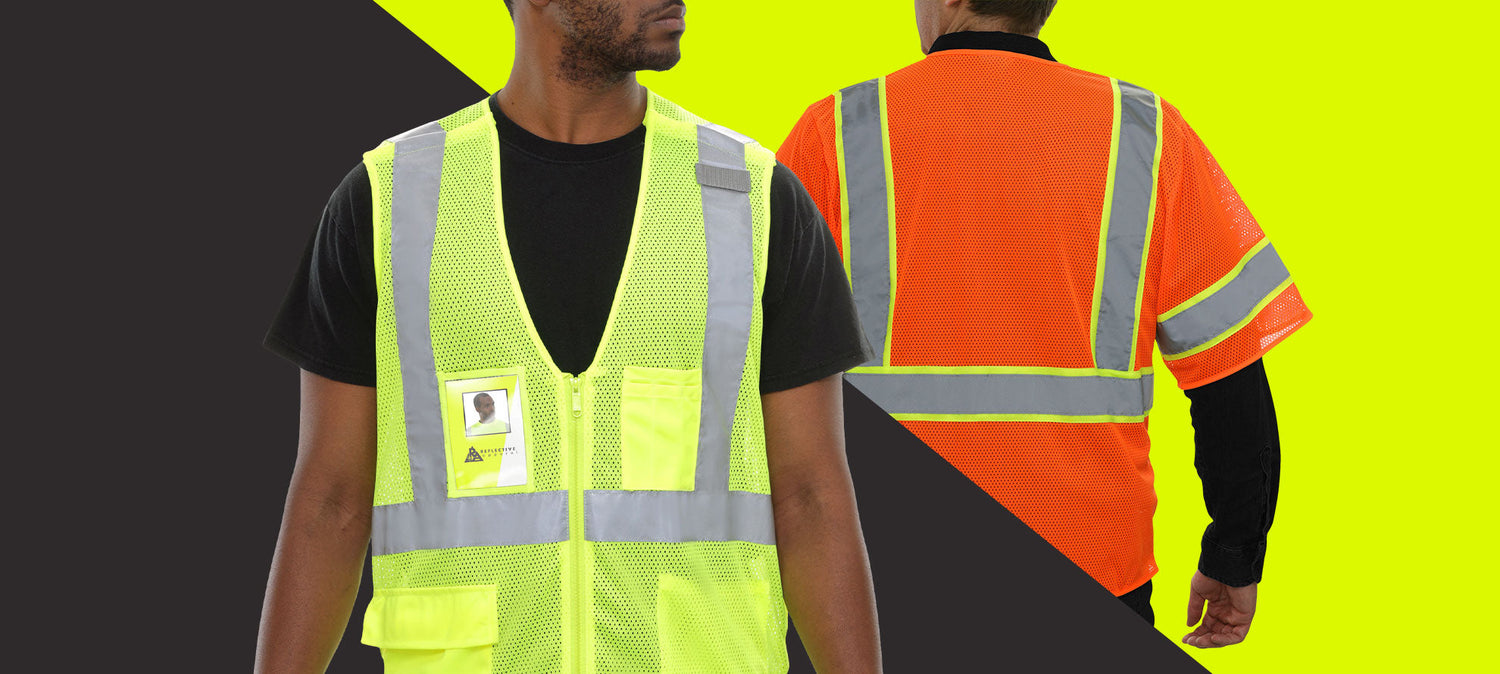
In the high-velocity environment of highway construction, utility repair, and emergency response, visibility isn’t just a preference—it is a life-saving requirement. For the dedicated field professional and safety manager, the “office” often exists inches away from traffic moving at 50 mph or more. Relying on a standard vest in these conditions is a compromise on personal security. The strategic deployment of an ANSI Class 3 safety vest provides the highest level of conspicuity available under current safety standards. Engineered with significantly more background material and reflective tape than Class 2 alternatives, these vests ensure that the human silhouette is recognizable from a distance, even when the wearer is in motion or positioned against a complex background. For wellness-focused professionals and older adults who prioritize a “safety-first” lifestyle, this gear represents the pinnacle of proactive injury prevention.
The Anatomy of Class 3 Protection
The distinction between safety classes is defined by the American National Standards Institute (ANSI). To meet Class 3 requirements, a vest must provide superior coverage that remains effective even when the worker is tasked with complex maneuvers.
- Increased Surface Area: A Class 3 vest requires a minimum of 1,240 square inches of fluorescent background fabric and 310 square inches of retroreflective material.
- Sleeve Requirement: Unlike the sleeveless “waistcoat” style of Class 2, Class 3 vests often feature short sleeves or extended shoulder coverage adorned with reflective tape. This creates a full “human shape” that drivers can identify more quickly than a simple torso block.
- 360-Degree Conspicuity: The placement of silver reflective glass-bead tape ensures that the wearer is visible from every angle, which is critical during night shifts or in heavy rain and fog.
- Tear-Away Features: For those working near moving parts or machinery, many professional Class 3 vests feature “5-point breakaway” designs (shoulders, sides, and front) to prevent entanglement accidents.
Performance for the Industrial Athlete
Modern safety gear has evolved to support the “industrial athlete”—the professional who needs to move, reach, and climb without restriction. A common misconception is that more fabric leads to more heat. On the contrary, high-tier Class 3 vests utilize advanced materials to manage the wearer’s microclimate.
| Feature | Importance on the Job Site | Recommended Standard |
| Material | Airflow during high-exertion tasks. | 100% Polyester Ultra-Cool™ Mesh |
| Pockets | Organization of radios, tablets, and pens. | Reinforced Heavy-Duty Cargo Pockets |
| Visibility | Long-range detection by motorists. | 2″ Silver Reflective Tape |
| Durability | Resistance to snagging and fraying. | Reinforced Webbing & Finished Edges |
Reducing the Total Cost of Ownership (TCO)
From a corporate perspective, investing in premium Class 3 gear is a strategic move toward lower insurance premiums and higher employee retention. For a construction firm, the cost of a high-quality vest is negligible compared to the cost of a single workplace accident.
- Compliance Assurance: Class 3 is mandatory for workers on federal-aid highways or in any environment where traffic speeds exceed 50 mph. Using the highest standard ensures the organization is always audit-ready.
- Extended Wear Life: Professional-grade vests feature reinforced stitching and heavy-duty zippers that survive hundreds of wash cycles without losing their fluorescent pigment or reflective “pop.”
- Black Bottom Designs: To maintain a professional look, many Class 3 vests now feature “black bottom” panels in high-wear areas (like the stomach) to hide dirt, grease, and grime, extending the time between replacements.
Safety as a Component of Holistic Wellness
For older adults who may be working as site consultants or volunteers in high-traffic areas, the high-contrast colors and easy-to-use closures of a Class 3 vest provide a user-friendly experience that supports an active, secure lifestyle. Similarly, for the fitness enthusiast with style who may be cycling or running in low-light suburban environments, the “over-built” nature of a Class 3 vest offers a level of peace of mind that standard athletic wear cannot match.
Furthermore, these vests function as mobile toolkits. With dedicated mic tabs for communication devices and clear ID holders for site credentials, they allow a professional to stay organized and efficient without the need for additional bags or belts.
Choosing the Ultimate Shield
Ultimately, your safety gear is an extension of your professional identity. In an industry where environmental hazards are a constant reality, your vest should be the most dependable tool in your kit. By prioritizing ANSI Class 3 certification, moisture-wicking comfort, and rugged durability, you are investing in the long-term health and productivity of your most valuable asset: yourself.
For those ready to fortify their safety program with hardware that meets the highest industrial standards, National Safety Gear offers a curated selection of field-tested Class 3 vests designed for the most demanding sites. From solid-front surveyor styles to breathable mesh options for extreme heat, choosing a brand that understands the science of visibility is the first step toward a more secure and professional operation.


More Stories
Marketplace Link Building With Visible Pricing for Home and Real Estate Businesses
How to Evaluate Information on the Internet
Revamping Your Culinary Heart: A Modern Kitchen Renovation Journey